
Relevant Rules and Regulations
Chulalongkorn University Policy on the Ethical and Sustainable Sourcing of Food and Ingredients for Safe and Quality Consumption
Chulalongkorn University Policy on the Ethical and Sustainable Sourcing of Food and Ingredients for Safe and Quality Consumption
Chulalongkorn University is committed to advancing its operations in alignment with the United Nations Sustainable Development Goals (SDGs) through its four core missions: Policy and Operation, Research and Innovation, Teaching and Learning, and Outreach and Engagement.
To promote the ethical and sustainable sourcing of food and raw materials that ensures food safety, quality, and environmental responsibility, the University has established this policy as a practical guideline for all internal units, food service providers, and related stakeholders.
1. Ethical and Sustainable Procurement of Raw Materials
1.1 Animal products must be sourced from farms or producers certified under Good Agricultural Practices (GAP) or equivalent standards, ensuring animal welfare, cruelty-free practices, and full traceability.
1.2 Seafood and aquaculture products must originate from legal and responsible fisheries that do not employ child labor or exploit workers, and that promote sustainable small-scale fisheries.
1.3 Fruits, vegetables, and plant-based ingredients should be locally sourced, seasonal, free from hazardous chemicals, and preferably produced through organic or low-carbon farming systems.
1.4 All procurement processes must be transparent, auditable, and prioritize suppliers that follow ESG (Environmental, Social, and Governance) principles.
2. Food Safety and Quality Assurance
Food vendors and service providers must comply with all food safety and hygiene standards throughout the entire supply chain—from raw material selection and storage to preparation and sale. All vendors are required to meet the Food Sanitation Evaluation Criteria as specified by the University Canteen Management Committee’s 2025 Assessment Guidelines for Food Service Operators.
3. Conservation of Biodiversity and Ecosystems
3.1 Avoid sourcing raw materials produced through deforestation or practices that harm terrestrial ecosystems.
3.2 Support the use of ingredients from small-scale farmers and producers that promote soil, water, and biodiversity conservation.
3.3 Encourage awareness among university units and suppliers regarding the environmental impacts of the food supply chain and promote sustainable sourcing behavior.
4. Food Waste Reduction and Resource Efficiency
4.1 Promote responsible consumption to minimize food waste.
4.2 Implement proper food waste management, including reuse or conversion into organic fertilizer or renewable energy.
4.3 Ensure safe handling and recycling of used cooking oil for energy recovery.
4.4 Use biodegradable or compostable packaging, minimize single-use plastics, and promote recycling initiatives within all campus food operations.
5. Monitoring, Evaluation, and Reporting
The University shall establish a systematic monitoring and reporting framework to collect annual data and assess progress in sustainable food management, covering the following aspects:
5.1 Ethical and sustainable sourcing of ingredients
5.2 Reduction, segregation, and disposal of food waste
5.3 Reduction and reuse of used cooking oil
Announced on October 1, BE 2568 (2025)
(Associate Professor Siridej Sujiva, Ph.D.)
Vice President
By Chulalongkorn University

Related SDGs



Others

Announcement of the Ministry of Interior
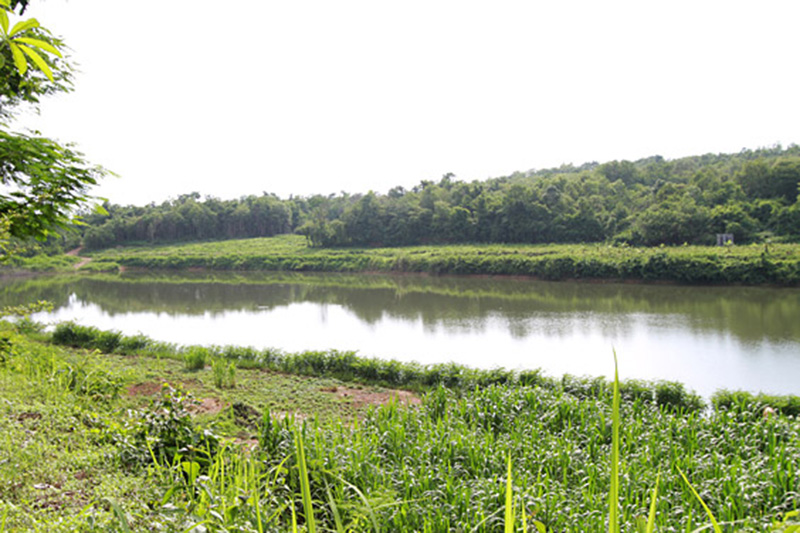
Registration of state land for agencies to be utilized for official purposes in Tambon Lainan, Wiang Sa district of Nan province.














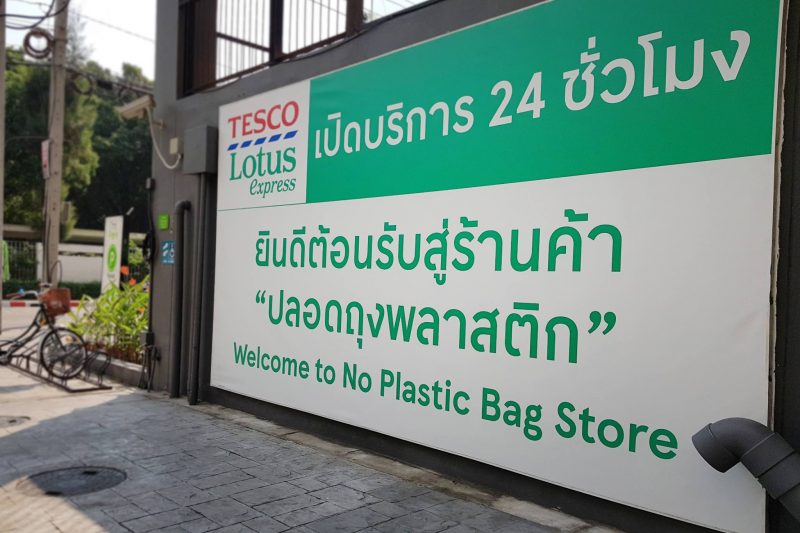
Chula Announcement on Measures to Reduce Single-Use Plastic Waste
Chulalongkorn University Announcement on Measures to Re-duce Single-Use Plastic Waste in the University BE 2561 (2018 AD)